Ashwagandha has gone from a little-known Ayurvedic herb to one of the world’s best-selling botanicals. If you’re new to it, this guide covers what ashwagandha powder is, where it comes from, how it differs from extracts, and what to check before you try it.
What is ashwagandha?
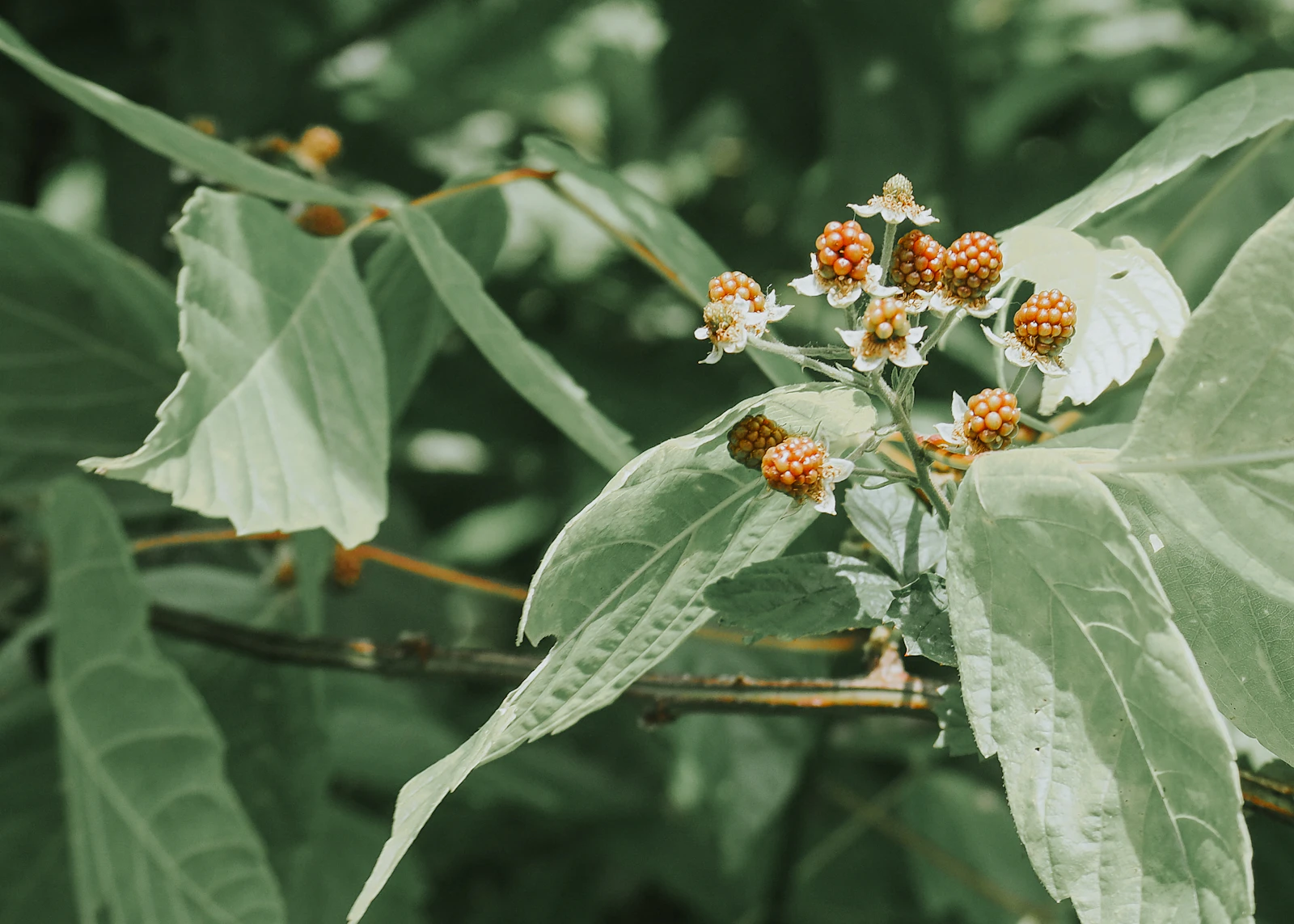
Ashwagandha (Withania somnifera) is a small evergreen shrub in the nightshade family (Solanaceae), the same family as tomatoes and potatoes. It grows naturally in dry regions of India, the Middle East and Africa, and is widely farmed in India.
The name comes from Sanskrit: ashva means horse and gandha means smell, a reference to the root’s strong, earthy aroma. You may also see it called Indian ginseng or winter cherry, although it is not related to true ginseng (Panax).
A long history in Ayurveda
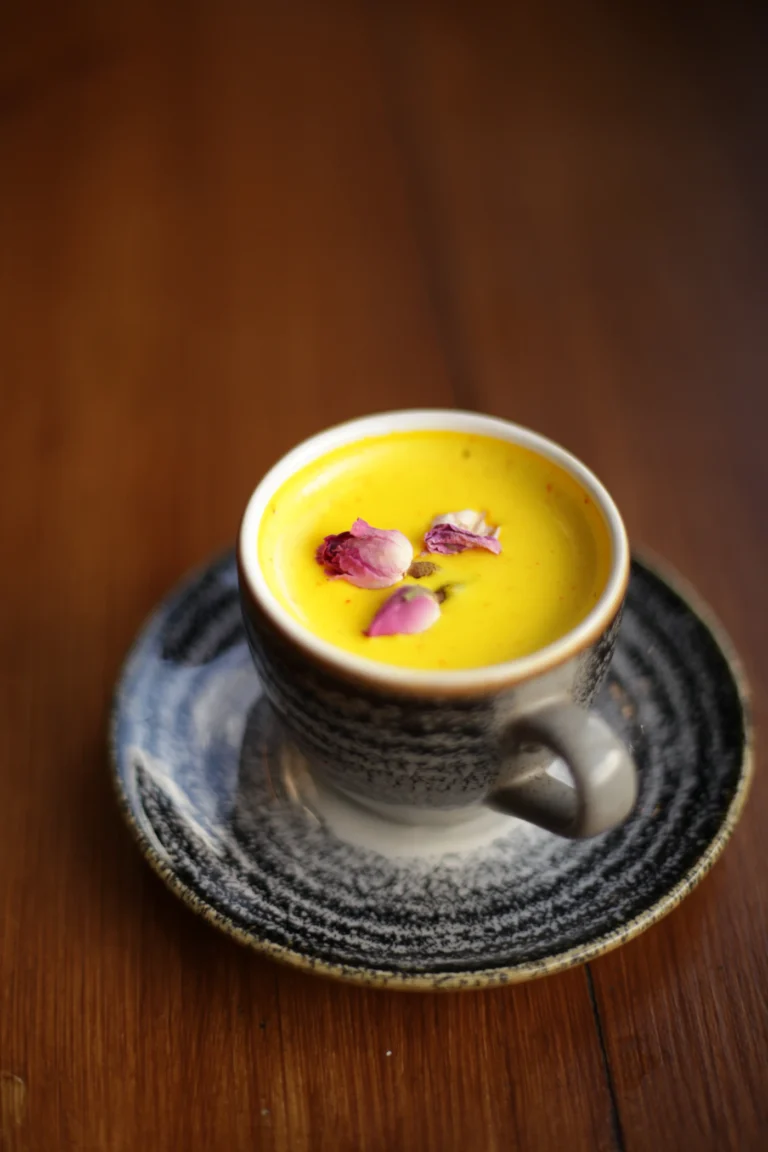
Ashwagandha root has been used in Ayurveda, India’s traditional system of medicine, for more than 3,000 years. Ayurvedic texts class it as a rasayana, a group of herbs traditionally taken to support overall vitality and long life. It was traditionally prepared by mixing the powdered root with warm milk, ghee or honey.
What is ashwagandha powder?
Ashwagandha powder is the dried root, cleaned and milled into a fine powder. Good-quality powder is light beige to brown, smells earthy and tastes slightly bitter. Because it is the whole root, it contains the full range of the root’s natural compounds, including the group known as withanolides, which are the most studied.
Powder vs extract: what’s the difference?
| Root powder | Root extract | |
|---|---|---|
| What it is | Whole dried root, milled | Concentrated compounds extracted from the root |
| Typical serving | 1–3 g (¼–½ tsp) | Usually 250–600 mg in capsules |
| Taste | Earthy, slightly bitter | Usually taken in capsules |
| Best for | Drinks, recipes, traditional use | Convenience and a standardised dose |
Neither form is “better”. It depends on how you want to take it. Powder is the traditional form and the most versatile in the kitchen.
Root vs leaf
Traditional Ayurvedic use focuses on the root. Some products blend in leaves or stems, which are cheaper to produce and have a different chemical profile. If a label doesn’t say “root”, it’s worth asking. Our ashwagandha root powder is made from root only.
Is ashwagandha safe?
Many people use ashwagandha without problems, but it isn’t right for everyone. Mild side effects can include an upset stomach, diarrhoea and drowsiness. It should be avoided during pregnancy and breastfeeding, and it may interact with some medicines, including those for thyroid conditions, diabetes, blood pressure, sleep and anxiety, and immunosuppressants. Rare cases of liver injury have been reported.
Always speak to a healthcare professional before you start, especially if you have a medical condition or take medication. Read our health disclaimer for more.
How to get started
Start with a small amount, around ¼ teaspoon a day, mixed into something you enjoy. Warm milk with honey and cinnamon is the classic way. For more ideas, see 5 simple ways to use ashwagandha powder, and before you buy, read our buyer’s checklist for quality ashwagandha powder.
The bottom line
Ashwagandha powder is simply the dried, milled root of Withania somnifera, an herb with a long tradition of use in Ayurveda. Choose a root-only powder from a supplier that tests its batches, start with a small amount, and check with a healthcare professional first.
Frequently asked questions
Is ashwagandha powder the same as ashwagandha extract?
No. Ashwagandha powder is the whole dried root, milled into a fine powder. An extract concentrates certain compounds from the root and is usually sold in capsules at a much smaller serving.
Which part of the ashwagandha plant is used to make the powder?
The root. Traditional Ayurvedic use focuses on the root of Withania somnifera, and quality powders are made from root only, without leaves or stems.
What does ashwagandha powder taste like?
It has an earthy, slightly bitter taste and a distinctive aroma. Most people mix it with warm milk, honey, cinnamon or fruit to balance the flavour.
Who should avoid ashwagandha powder?
It is not recommended during pregnancy or breastfeeding, or for children. Anyone with a thyroid, autoimmune or liver condition, or who takes medication, should speak to a healthcare professional before use.
Pure root. Honest powder.
Looking for quality ashwagandha powder?
Retail packs, wholesale or private label. Tell us what you need and we’ll reply within one business day.